
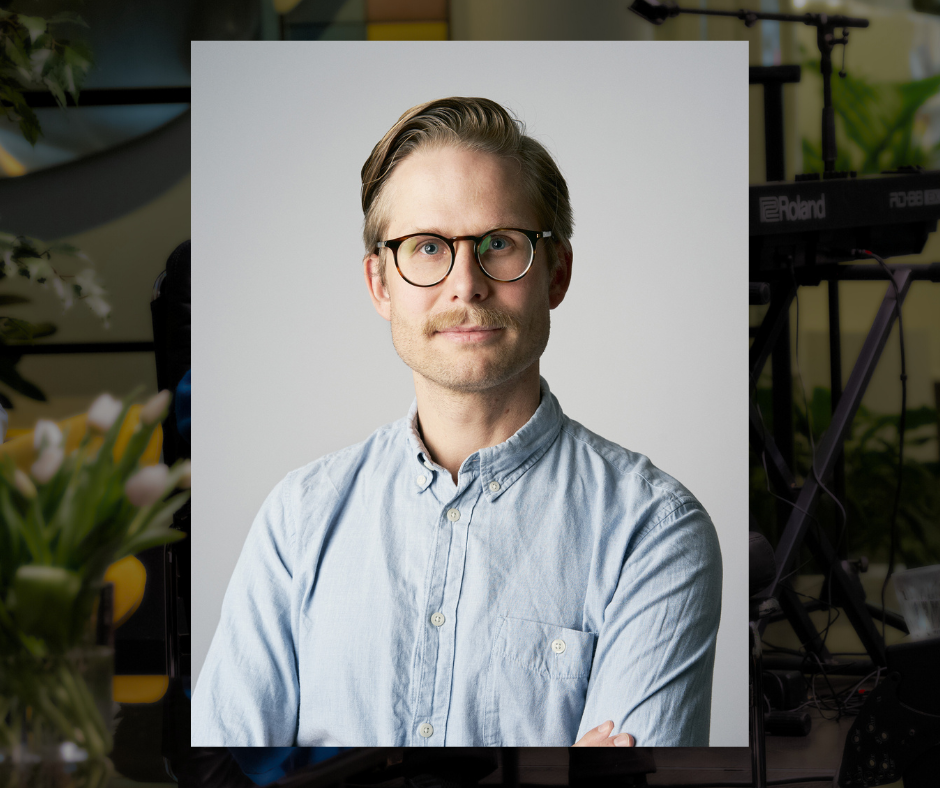
We are happy to announce that Emil Edenborg will join the discussion at the library! Emil Edenborg is a political scientist and gender studies researcher at Stockholm University and Södertörn University, and an associated researcher at the Swedish Institute of International Affairs. His research addresses issues such as security, geopolitics, and identity, with a focus on Russia and the Nordic region. He is part of an ongoing research project examining perceptions of military build-up on the islands of the Baltic Sea in the wake of Russia’s war in Ukraine and the NATO accessions of Finland and Sweden. The roundtable discussions at the library will begin at 17.00 the 19th of March. The event is free and open to all! The discussion is in Swedish. We would also like to remind you that there are still a few places remaining for the Talks at the castle. Please secure your place now here!
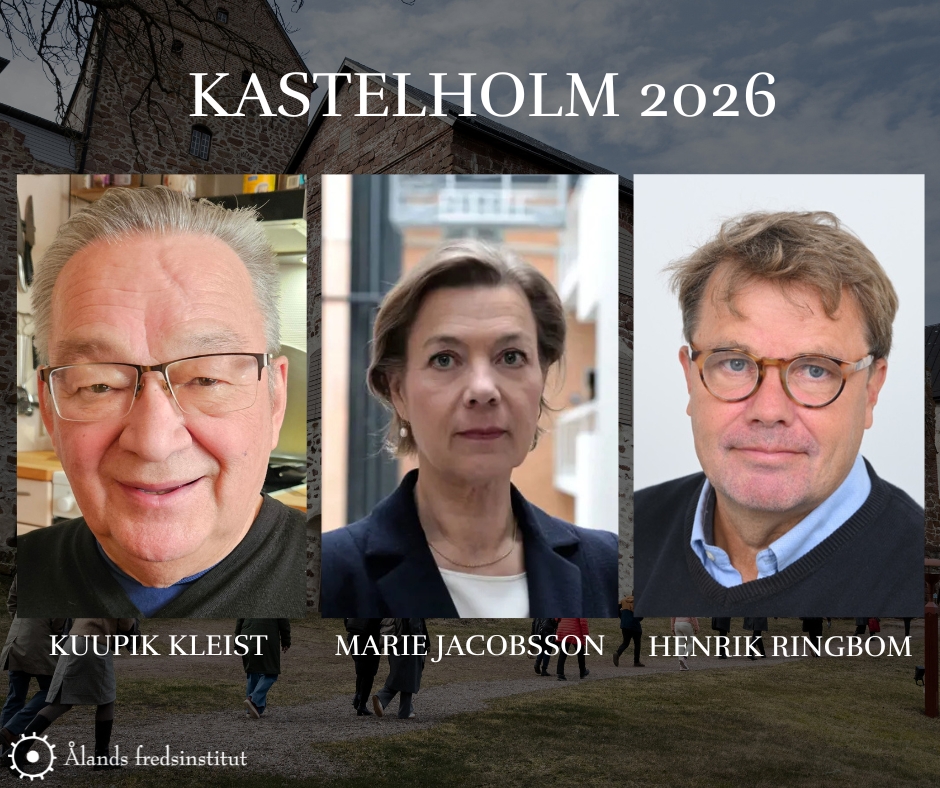
The annual Kastelholm Talks 2026 are approaching. On 19 March, we will explore the theme “The Sea – as an arena for cooperation and conflict” at Kastelholm Castle and the Mariehamn City Library. This year’s speakers are Marie Jacobsson, Kuupik Kleist, and Henrik Ringbom. Dr. Marie Jacobsson, former Ambassador and Principal Legal Adviser on International Law at the Swedish Ministry for Foreign Affairs, is one of Sweden’s most experienced experts in international peace and security. She has an extensive background in both multilateral and bilateral negotiations, with a particular focus on the UN Charter, international humanitarian law, the law of the sea and maritime security, boundary delimitation, and regional security. She is an Associate Professor of International Law at Lund University and was awarded an honorary doctorate by the World Maritime University in 2025. Jacobsson also serves on the board of the Åland Islands Peace Institute. Kuupik Kleist is a Greenlandic politician who served as Prime Minister of Greenland from 2009 to 2013 and was a member of parliament for more than 20 years, both in Denmark and Greenland. He has long been involved in the Inuit Circumpolar Council, serving both on the Executive Council and as a consultant. Kleist
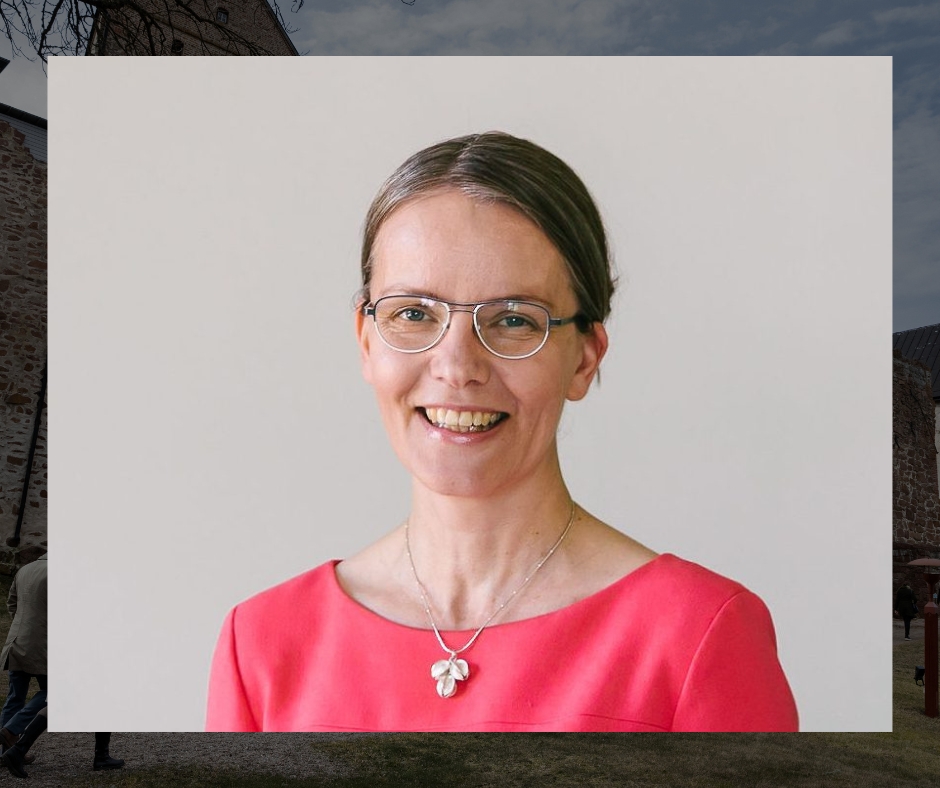
Hanna Ojanen is a member of the Peace Institute’s Board of Directors and was a speaker at the Kastelholm Talks 2016. Ojanen is an Associate Professor at the National Defense University and the University of Helsinki as well as a Senior Research Fellow at the University of Tampere on a research project, STRAX (Transforming strategic Cultures in Contemporary Europe). She has previously worked at the Institute of International Affairs in Helsinki as well as in Stockholm and has been Jean Monnet Professor at the University of Tampere. Ojanen has had several assignments as editor and editorial member of international journals on European issues, peace issues, political science and Nordic integration.
The registration opens to the public on 3 March. While waiting, take a peek at previous Kastelholm Talks: https://youtu.be/5FwiXkzhKaA

The sea has always been a source of life, movement, and opportunity. It connects continents, cultures, and people – yet it is also a place where interests collide, borders are tested, and power is exercised. The theme “The Sea as a Space for Cooperation and Conflict” opens up a multifaceted exploration of how this blue landscape both unites and divides. Historically, the seas have been stages for wars, colonial expansion, and territorial disputes. Even today, we see nations making claims over maritime areas, fisheries creating tensions, and naval presence being used as strategic tools. At the same time, the sea is a space where cooperation is both necessary and possible. International agreements on marine environments, joint efforts to protect ecosystems, and collaboration in shipping and research demonstrate that the sea can also serve as a bridge between nations. Initiatives such as the UN Convention on the Law of the Sea and regional cooperation in the Baltic Sea illustrate how shared challenges can lead to shared solutions. Choosing The Sea as a Space for Cooperation and Conflict as the theme for next year’s Kastelholm Talks is both timely and important. It allows for discussions on sustainability, politics, history, biology, economics, and ethics – and it